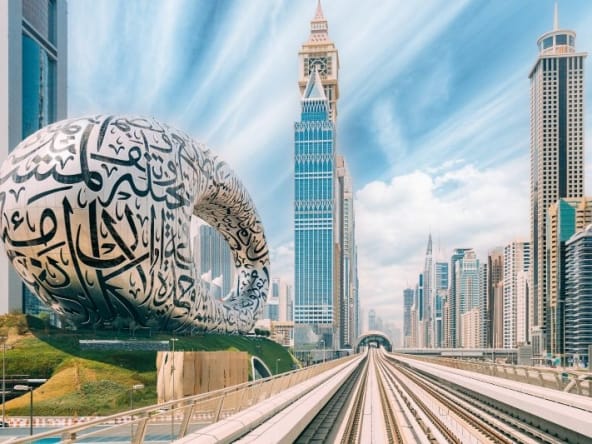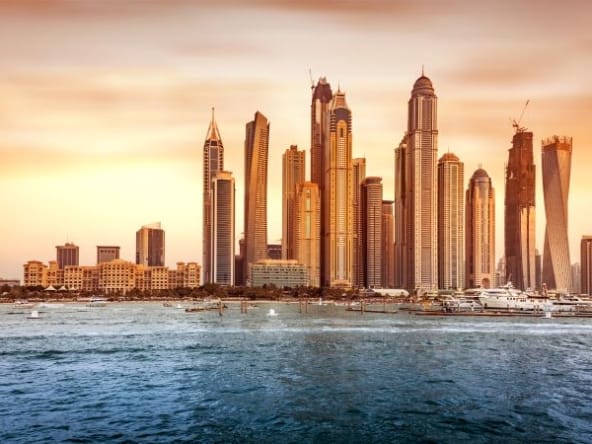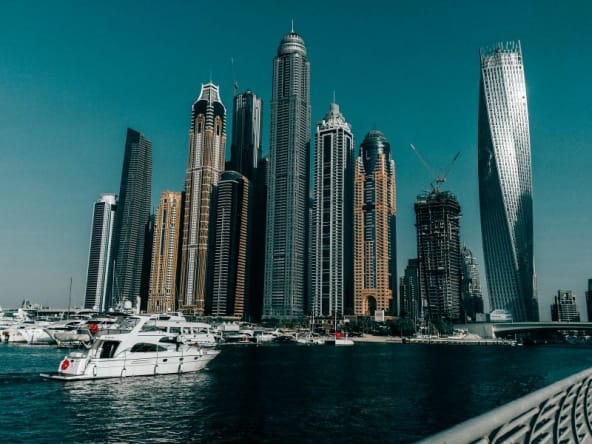
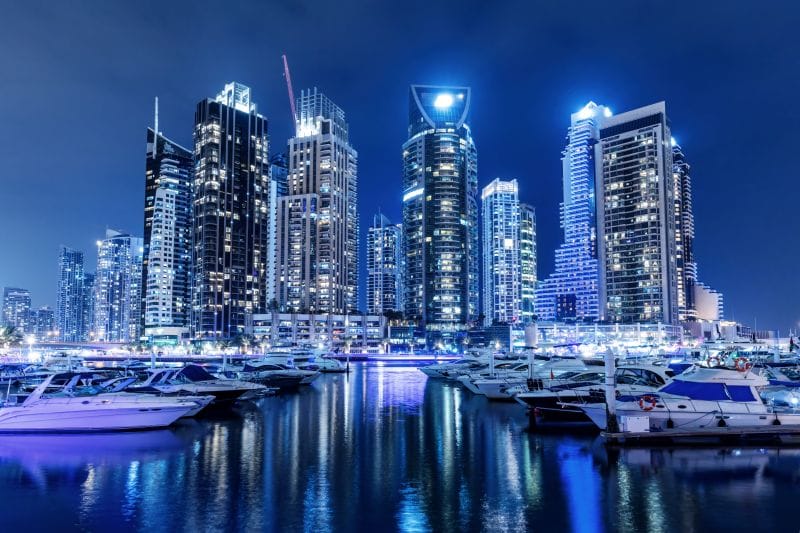
Something has shifted in Dubai’s property market. It’s no longer just about individual investors buying a second home or overseas families looking for rental yields. Over the past year, the names behind some of the biggest transactions have changed. You won’t always see them in flashy press releases, but they’re there, moving quietly, strategically, and at scale.
Wall Street has arrived in Dubai
Institutional investors, including hedge funds, private equity firms, family offices and real estate investment trusts, are entering the scene in ways that weren’t visible five years ago. These are not speculative one-off buys. They’re structured acquisitions. Entire buildings, portfolios, branded residences, and long-term land development deals are being signed, often before the public hears anything about them.
Why now?
Part of it is timing. After years of volatility in global markets, Dubai stands out for its tax advantages, business-friendly regulations, and relatively predictable growth in property value. Institutional capital is always hunting for yield, and Dubai’s combination of luxury products, high rental income and zero income tax is increasingly hard to ignore.
But it’s not just return-focused. There’s also confidence in Dubai’s political stability and its forward-looking infrastructure plans. Long-term investors don’t just look at quarterly returns. They look for places where they can deploy large capital over a 10-to-15-year horizon with minimal policy risk. Dubai currently offers that environment.
Some of the clearest signs of this shift are in the commercial and luxury residential sectors. In Downtown Dubai, a number of completed towers have quietly changed hands in full-floor or entire-building deals. In Business Bay and City Walk, institutional buyers have scooped up entire blocks of short-term rental apartments and converted them into branded investment products. And in Dubai South, land transactions for logistics and build-to-rent developments have seen record numbers.
What’s also changing is the way deals are structured. It’s not always cash upfront. Many of these transactions involve joint ventures with local developers, profit-sharing agreements, or longer-term leasing arrangements with exit rights built in. The paperwork is complex, but the logic is simple: global capital is comfortable playing in Dubai now because the regulatory structure allows it.
One investor I spoke to, representing a fund based in New York, said it clearly: “Dubai has the product, the demand and the scale. We’re not here for speculation. We’re here for structure.” His firm closed two multi-building acquisitions this year, neither of which was ever publicly announced.
This kind of movement has ripple effects
First, it sets a floor under high-end prices. When institutional buyers acquire portfolios, they’re less likely to resell quickly, which supports pricing stability. It also signals to the market that Dubai is entering a new phase. It’s not just a destination for wealthy individuals, it’s becoming part of the global investment cycle, in the same way that London, Singapore and Miami have been for years.
For regular buyers and small investors, this might feel distant at first. But it matters. Institutional activity often validates market fundamentals. It means serious players believe in the long-term value of Dubai real estate. It also brings better project planning, stronger developers and more transparency in operations, which can benefit everyone.
You may start to see more buildings with single ownership but diversified usage, residences with hotel services, fully-managed rental portfolios, and branded towers with consistent service standards. These types of developments often emerge from institutional strategies and tend to raise the overall quality and predictability of the market.
Of course, this doesn’t mean the market will be dominated by large funds overnight. Dubai still has room for individual buyers, families, and lifestyle investors. But the presence of Wall Street here changes the tone. It means that pricing, delivery schedules, and even architecture could be influenced more by performance metrics than personal taste.
It also adds a layer of discipline. Institutions do due diligence differently. They evaluate not just design and finish but also developer credibility, long-term maintenance planning, tenant retention forecasts and net operating income models. When these standards are applied consistently across the market, they tend to raise expectations for everyone.
What’s next?
We’ll likely see more institutional deals in areas like Dubai Hills, Palm Jebel Ali, and new zones being unlocked near Al Maktoum Airport. These locations offer scale, future infrastructure and land pricing that suits long-term investment. Expect more build-to-rent communities, branded residence launches backed by global hospitality groups, and master plans shaped by foreign capital.
As Dubai matures as a global real estate hub, the presence of institutional money adds a layer of seriousness to the market. It’s no longer just about glossy brochures and showroom lighting. It’s about performance, planning, and long-term trust.
So if you’re active in the market, whether buying your first unit or managing a small portfolio, watch this space closely. The entry of large investors won’t replace individual ownership, but it will shape the kind of properties being built, sold and lived in.
Wall Street has arrived. Quietly, deliberately and very much to stay.